

Previously, we explored our biological need
for warmth and the limits of heavy cotton, wool, and synthetics. We saw how
traditional bedding forced a choice between being weighed down or staying cold.
Now, we continue our journey by looking at how nature provided the ultimate
answer to this ancient dilemma and how modern precision has refined it into a
true art form.
3. Nature's Answer: Down—The
Near-Perfect Insulator
While humans were busy weaving plants and
creating chemicals, nature had already perfected the solution. By observing
waterfowl—specifically geese and ducks—humans uncovered a secret that had been
hiding in plain sight. These birds can float on icy water for hours, or fly
through sub-zero temperatures at high altitudes, all while keeping their
internal body temperature perfectly stable.
Discovery and Origin
The secret isn't in the feathers we see on the outside of the bird.
Those are "contour feathers," designed for flight and waterproofing.
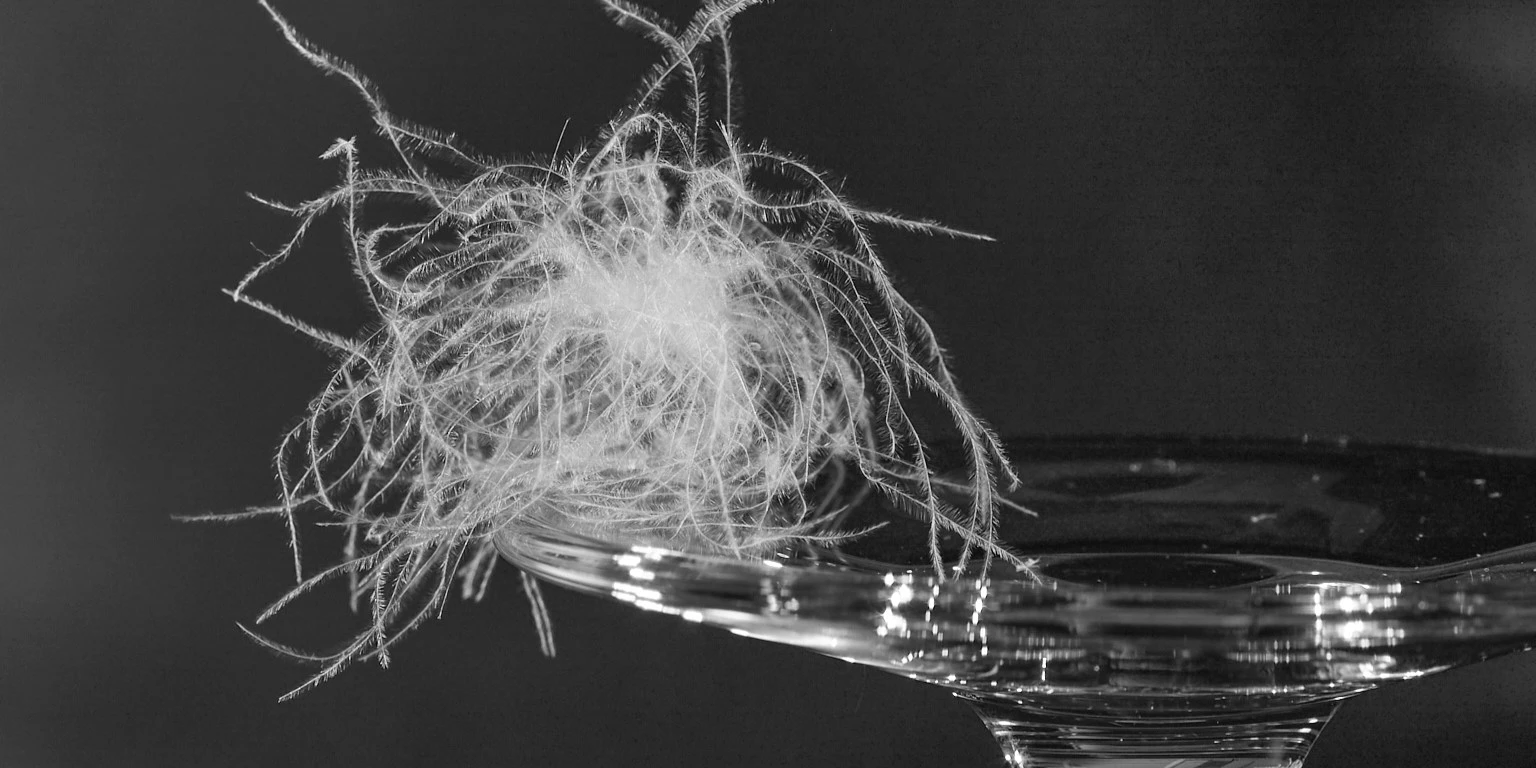
The magic lies underneath, in the down. Down is not a feather in the
traditional sense. It lacks the hard, prickly quill that feathers have.
Instead, it is a soft, three-dimensional "cluster." These clusters
are found mostly on the underbelly of the bird, where the need for insulation
is the highest to protect vital organs from cold water.
The Scientific Principle of the Cluster
To understand why down is so valuable, we have to look at its
structure. Each down cluster is a masterpiece of natural engineering. It
consists of a central point with thousands of tiny, soft filaments reaching out
in every direction. These filaments are elastic and branch out into even
smaller sub-filaments.
This structure allows the cluster to trap a
massive amount of "stagnant air." In the world of physics, still air
is one of the best thermal insulators in existence. By holding this air in
place, down creates a barrier that prevents your body heat from leaking out
into the cold room. This ability to "trap air" is what experts call
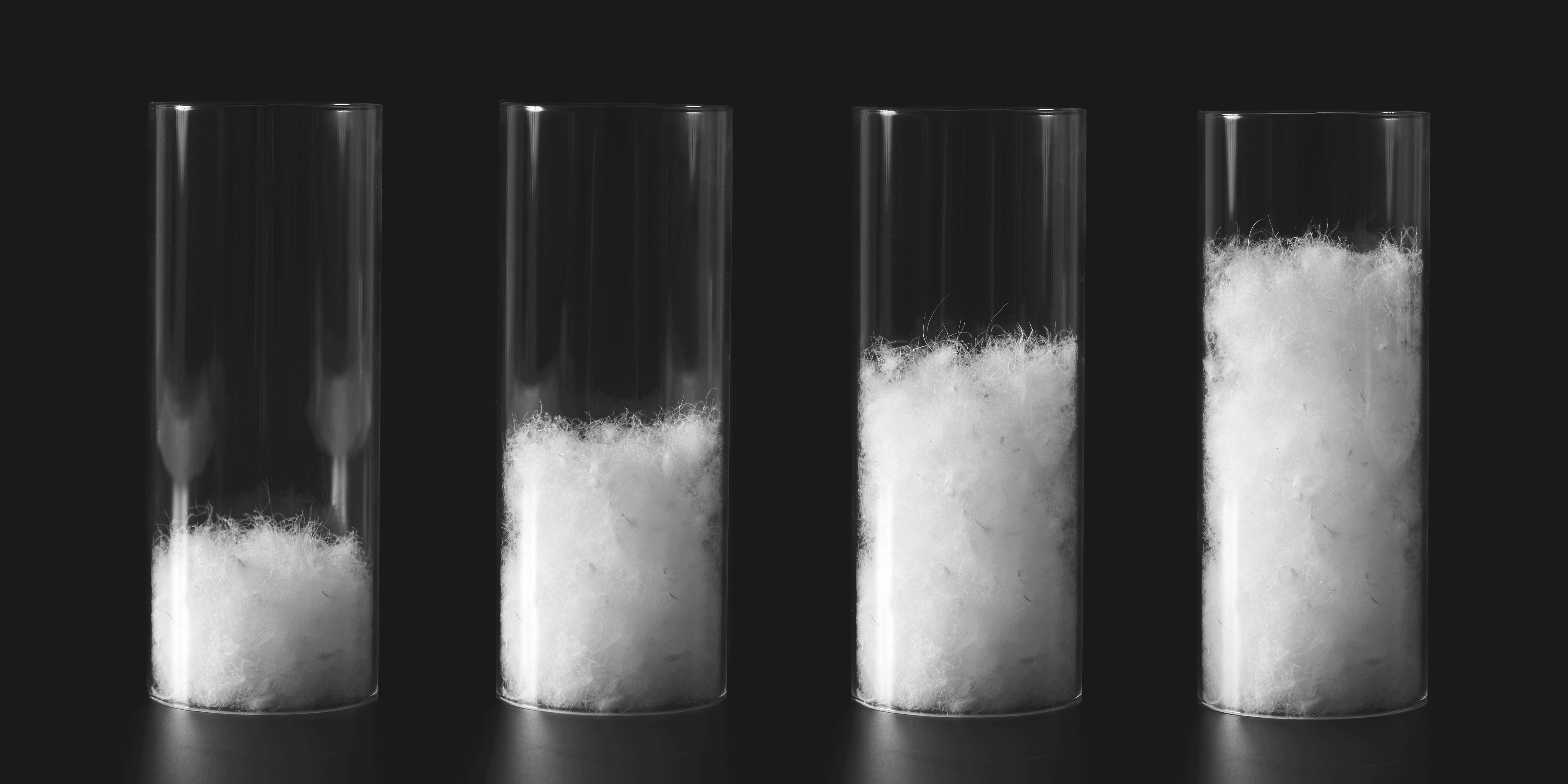
"fill power." When we talk about high-quality bedding, fill power is
the most important metric. A higher fill power means that the same weight of down
can occupy a larger volume and trap more air. It’s a measure of efficiency.
The Fundamental Difference
The beauty of down is that its warmth does not depend on how
"thick" or "heavy" the material is. Instead, it depends on
its innate three-dimensional structure. This finally solved the historical
dilemma that had plagued humanity for thousands of years. With down, lightness
and warmth are no longer mutually exclusive. You can have a duvet that feels as
light as a cloud but provides more warmth than five heavy wool blankets
combined. It is the only material that allows for "unrestricted
warmth," giving you the freedom to move and breathe while staying
perfectly cozy.
4. Decoding the Value of a Premium Down
Duvet: Why "You Get What You Pay For"
It is important to understand that merely
containing "down" is not enough to make a product high-end. Many
budget-friendly duvets claim to be "down," but they often use
low-grade materials that don't provide the same benefits. The value of a
premium product is found in the meticulous control of every single detail, from
the farm to the final stitch.
Type and Provenance: The Geography of Quality
Not all down is created equal. Generally speaking, goose down is superior to duck down. Geese are larger birds, so they produce larger down clusters. These larger clusters have more "loft" and are more durable over decades of use. Furthermore, goose down has almost no natural odor compared to duck down, which can sometimes have a faint earthy scent if not processed perfectly.
Where the down comes from is also vital.
Birds that are raised in extremely cold regions—such as Siberia, Hungary, or
parts of Northern Canada—have evolved to survive much harsher winters. As a
result, their down is naturally more resilient and has a higher insulating
capacity. A bird from a warm climate simply doesn't need to grow the same
quality of insulation.
Processing and Purification: The Invisible Work
Raw down is a natural material,
which means it arrives from the farm containing dust, natural oils, and small
particles. In mass-market products, the cleaning process is often rushed to
save costs. However, premium down undergoes a rigorous washing and sterilization
process that can involve up to a dozen separate stages.
This is where much of the cost is hidden.
The down must be washed many times in specialized water to reach a state of
absolute purity. We measure this through something called the "oxygen
index" and "turbidity." Essentially, we are making sure the down
is so clean that it is hypoallergenic and completely odorless. This requires
complex machinery and a high level of environmental responsibility, as the
water used must be treated and recycled. This level of care ensures that when
you bring a duvet into your home, it is as fresh and clean as the day it was
harvested. For those with allergies, this purification is the difference
between a restless night and a peaceful one.
Core Metrics—Quantity vs. Quality
There are two numbers that define the value of what is inside your
duvet:
- Down Content: This is the
"quantity." It tells you what percentage of the fill is actual
down clusters versus small feathers. A luxury duvet should have at least
90% to 95% down content. The higher the percentage, the softer and warmer
the duvet will be. Lower-end duvets might only have 50% or 70% down, with
the rest being feathers that have quills which can poke through the
fabric.
- Fill Power: This is the
"quality." As mentioned before, fill power measures how much
space an ounce of down takes up. A duvet with a fill power of 800 or 900
is the pinnacle of sleep technology. It allows for a duvet that is
incredibly "puffy" and warm, but so light that you barely feel
it resting on your body. Achieving this level of fill power requires
selecting only the largest, strongest clusters from mature birds.
Fabric and Construction: The Engineering of Comfort
Even the best down in the world is
useless if the duvet isn't built correctly. The "shell" of the duvet
must be as high-quality as the filling.
- The Shell: High-thread-count
fabrics, typically 80S, 100S, or even higher. These fabrics are woven so
tightly that the down cannot leak out, yet they remain perfectly
breathable. A low-quality shell will "leak" feathers and feel
scratchy. A LUOLAI shell feels like a second skin—smooth, quiet, and soft.
It allows moisture from your body to pass through while keeping the heat
in.
- Baffle Box Construction: In a cheap
duvet, the top and bottom layers of fabric are simply sewn together in a
quilt pattern. This creates "cold spots" at every stitch line
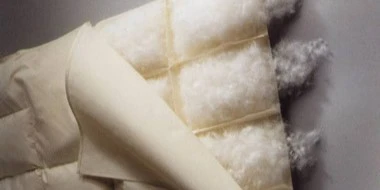
where there is no down. A premium duvet uses "baffle box"
construction. This means thin walls of fabric are sewn inside the duvet to
create three-dimensional boxes. This allows the down to fully loft and
stay evenly distributed, so you have consistent warmth from your shoulders
down to your toes.
5. Conclusion: From Cost to Value—An
Investment in Long-Term Sleep Health
When we look at the price of a top-tier
down duvet, we must look past the initial transaction and see it for what it
truly is: an investment in the quality of your life. We spend a third of our
lives in bed. The quality of those hours determines our mood, our productivity,
and our long-term health.
Therefore, when you choose a premium duvet,
you are paying for:
- The most efficient warming structure ever discovered by nature, allowing your body to rest without
being weighed down.
- The stringent selection and purification that ensures a healthy, hypoallergenic environment for your
skin and lungs.
- The precision craftsmanship that
prevents cold spots and ensures the duvet stays as fluffy in ten years as
it is today.
- Exceptional durability. A
high-quality down duvet, when cared for properly, can last for 15 to 20
years.
A premium duvet is the optimal solution
humanity has found to the ancient challenge of "sleep insulation." It
is where natural wisdom and human ingenuity meet. While other products in the
same category may look similar on the shelf, they cannot match the performance
or the longevity of a true luxury piece. By choosing quality, you are choosing
a better version of every day that follows a good night's rest. It is a
decision that rewards you every single night.